

Kitsap County
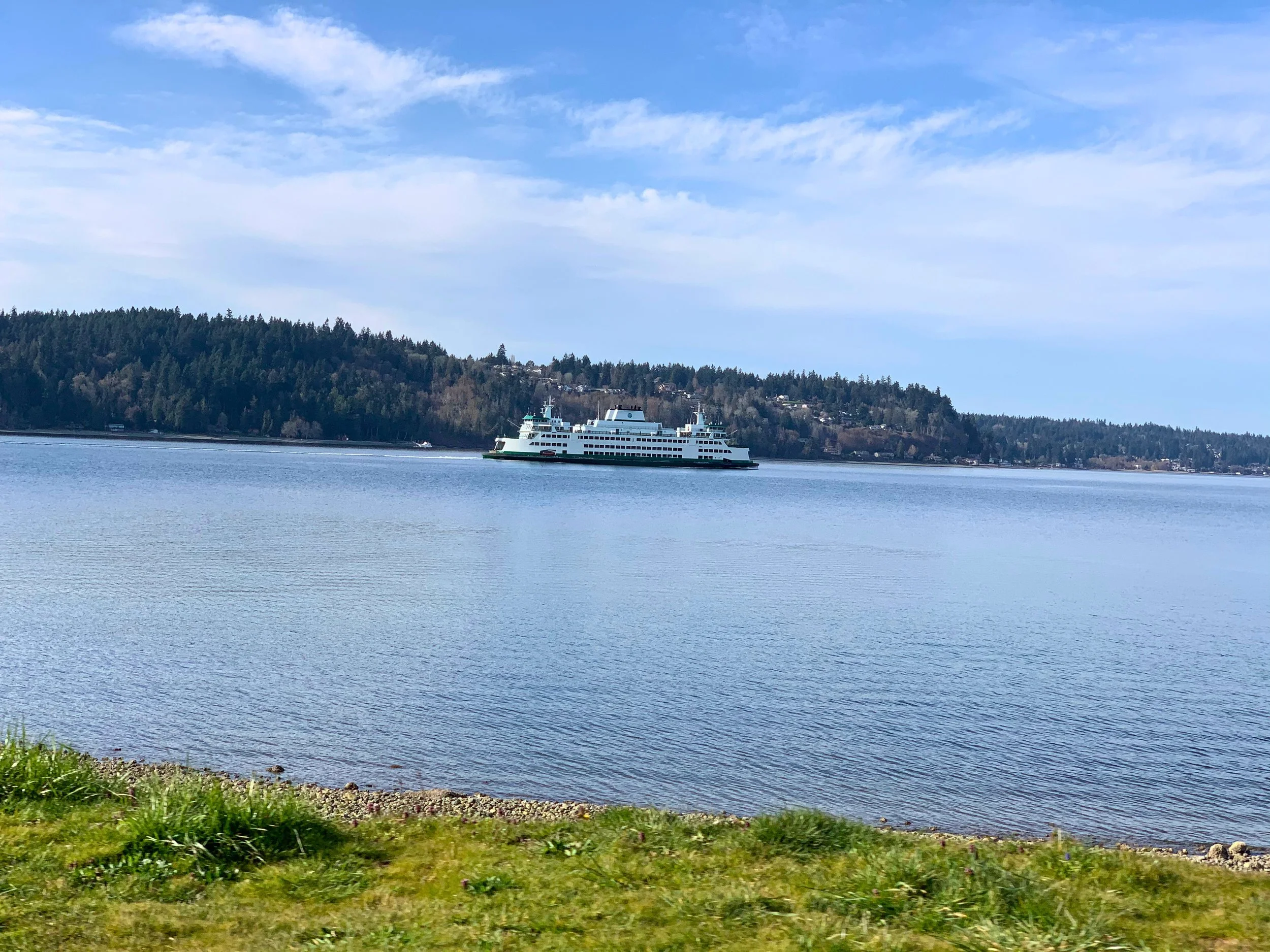
Kitsap County, Washington is a peninsula region across Puget Sound from Seattle, known for waterfront living, ferry-connected communities, and a strong Navy presence anchored by Bremerton and Naval Base Kitsap. It blends small-town charm (Poulsbo/Kingston vibes), outdoorsy beauty (parks, shoreline, and forests), and easy access to both Olympic Peninsula adventures and big-city amenities
Stacia Serves Clients Across Kitsap County

Who is Stacia Whatley to Kitsap County?
I’m Stacia Whatley. Kitsap County is home in the most literal way because I was born and raised right here. I know this peninsula isn’t just a pin on a map; it’s a collection of micro-communities with their own personalities, price points, and “yes, that road floods every winter” quirks. From ferry-friendly routines to waterfront realities, I get how people actually live here.
Today, I help buyers and sellers navigate Kitsap County real estate with a strategic, full-service approach; pricing, positioning, marketing, negotiations, and a clean path to closing without the chaos. Whether you’re moving up, downsizing, relocating, or finally cashing in on that equity, my job is to make sure you’re informed, protected, and making decisions you’ll feel good about long after the keys change hands
John L. Scott Real Estate was founded in 1931 in the heart of downtown Seattle and is one of the oldest and most progressive real estate companies in the Western United States.
From the beginning, we have been committed to raising the bar on ethics and standards in real estate. We’ve maintained our position as an industry leader by embracing innovations in technology, anticipating industry trends, and keeping a pioneering start-up mentality.
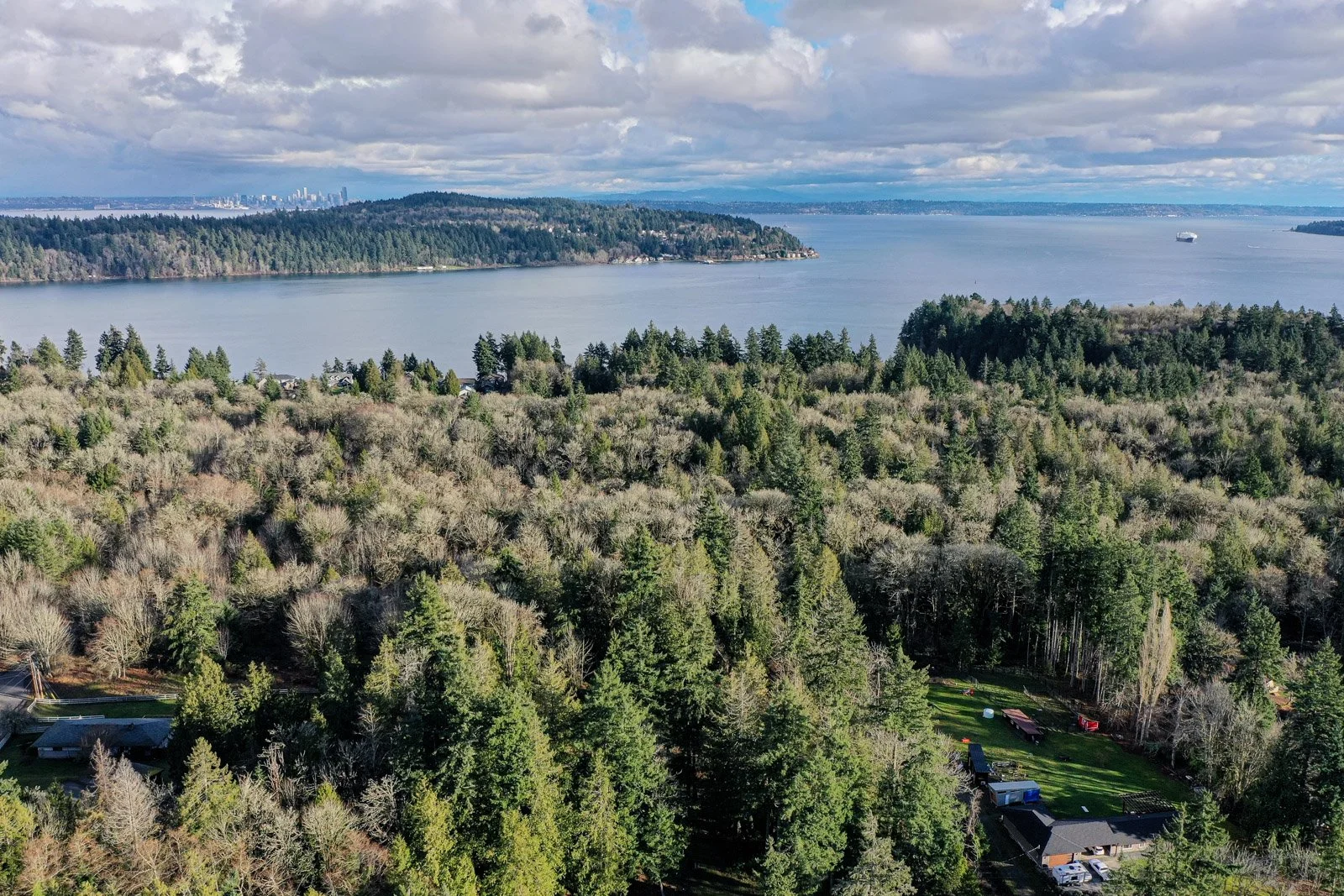
Neighborhoods/Communities I Serve:
TOP LIFESTYLE
Living in Kitsap County has layers: waterfront homes come with epic views and real-world considerations like tides, shoreline rules, septic/well quirks, and maintenance that hits different when salt air is involved. Commuting can be ferry-dependent or bridge-bound (hello, traffic timing), and day-to-day life varies a lot by pocket; school resources, local amenities, and even internet reliability can change from one neighborhood to the next. The upside is huge: parks, trails, marinas, beaches, and that “I can breathe again” lifestyle, without giving up access to Seattle, Tacoma, or the Olympic Peninsula when you want it
-
A huge chunk of people who end up in Kitsap aren’t just house shopping, they’re lifestyle shopping. Their search history usually looks like a greatest hits album of: best hikes, beach walks, kayaking spots, state parks, “things to do outside,” and “easy trails near me.” In other words: they want to live somewhere that makes it ridiculously easy to get outside without planning an expedition.
What that lifestyle looks like day-to-day:
Weeknights are for quick wins: a short trail, a waterfront stroll, or a “touch grass” moment after work.
Weekends are for bigger adventures: longer hikes, paddle days, beach exploring, or hopping between parks and shorelines.
Outdoors isn’t a special occasion, it’s the default setting.
Why Kitsap fits that “basecamp” mindset:
Kitsap’s appeal is that outdoor access is baked into the geography. You’ve got shoreline, forests, state parks, and trail systems that make it easy to choose your own adventure. Whether that’s a casual loop with your dog or a more involved hike where you earn your post-hike burger. Official tourism guides lean heavily into this exact pitch: Kitsap as a year-round outdoor destination with hiking, biking, paddling, and scenic exploring.
Searchers aren’t looking for “nature” in the abstract. They want specifics:Named trails (length, difficulty, parking situation)
Beach access (can I walk it, is it rocky, is it kid-friendly?)
Water activities (kayak launches, calm coves, where to paddle without getting humbled)
State parks and preserves (the classics people can return to repeatedly)
That’s why pages about specific spots, like Guillemot Cove Nature Reserve, perform well. They give the “basecamp crowd” exactly what they’re searching for: clear, practical details about a real place they can go this weekend.
Another example is Scenic Beach State Park, which is basically “PNW postcard mode”: trails, shoreline, and Olympic Mountain views, exactly the kind of combo that matches how outdoorsy relocates picture their future Saturdays.
People chasing this lifestyle often care about:Being close to trailheads/shoreline access (10–20 minutes matters)
Storage space for gear (kayaks, bikes, paddle boards, hiking stuff)
Mudroom/laundry setups (because outdoors = dirt, sand, and wet dogs)
Lots that feel private or forest-adjacent
Accessibility to parks or waterfront (if they want “micro-adventures”)
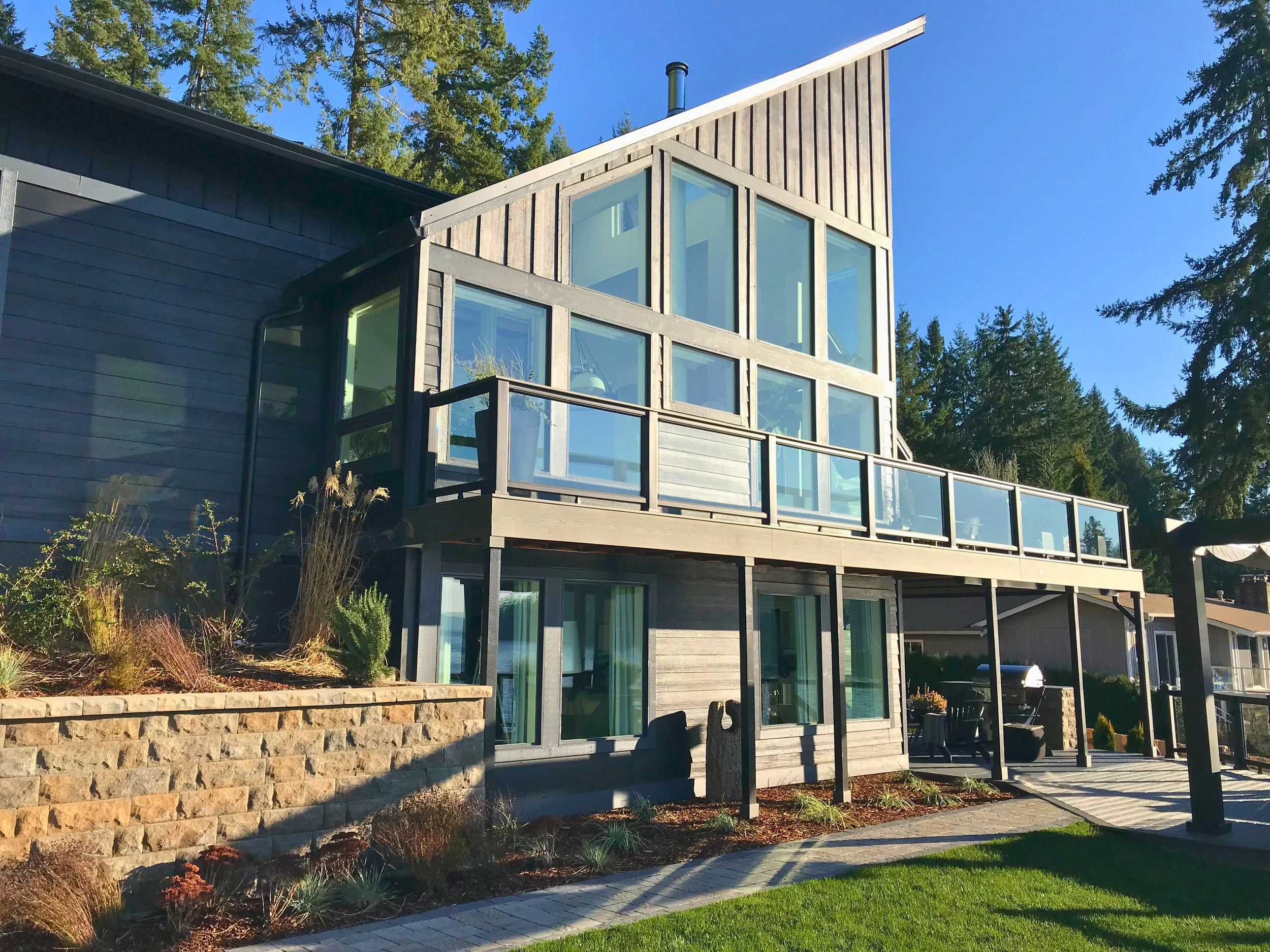
The key is knowing what you’re signing up for so you can enjoy it instead of being surprised by it. Waterfront homes ask for a little more attention: salt air means you’ll stay on top of exterior maintenance (think decks, railings, windows, paint), and some properties come with septic/well considerations, private stairs, or shoreline structures like bulkheads that you’ll want to monitor and maintain. You’ll also want to understand shoreline rules and tidelands, because they can affect what you can change and how you use the beach, nothing scary, just part of owning a piece of nature that plays by its own rulebook.
If you love the idea of an active, outdoorsy lifestyle with a side of serenity and you’re good with being a proactive homeowner, Kitsap waterfront can be an absolute dream. And if you want the vibe with less responsibility, there are plenty of “near-water” or “big-view” options that still deliver that coastal feel without the same level of hands-on ownership.
-
A lot of Kitsap residents aren’t chasing “remote wilderness.” They’re drawn to waterfront-town living; where the pace is calmer, the scenery is doing the most, and being near the water is a normal part of the week, not a special occasion.
Local communities here naturally center around shorelines, marinas, parks, and small downtown areas where you can grab a coffee, browse a shop or two, and then step outside to fresh air and views that feel like a screensaver. Guides about Kitsap lean into this coastal charm for a reason, it’s one of the area’s most consistent, everyday perks.
What this lifestyle feels like day-to-day
You can run errands and still have time to breathe.
Quick outings are genuinely enjoyable; coffee, a waterfront stroll, maybe a farmers market, then home.
“Let’s get outside” doesn’t require planning, gear, or a pep talk.
The water becomes your reset button, ten minutes of views can fix an entire mood.
Views, shoreline access, and “small-town center” energy
Not everyone wants to live on the water. Plenty of people simply want regular access to it; places to sit, walk, and take in the scenery. That’s why parks and shoreline destinations are such a big part of the Kitsap experience. Scenic Beach State Park, for example, is exactly the vibe: shoreline, trails, and big Olympic Mountain views.
And it’s not just about postcard views. There’s something grounding about living in a place where the default backdrop is water, trees, and sky instead of traffic and concrete.
Why Kitsap supports this so well
Kitsap has a rare mix that makes waterfront-town living feel natural:
Multiple shoreline communities with distinct personalities
Plenty of public access points to enjoy the water
Town centers that are easy to enjoy without making a day of it
Outdoor spaces that feel woven into normal routines
In plain English: you can live like you’re on a weekend getaway… while still having real-life conveniences close by.
The real estate tie-in (what tends to matter most)
People drawn to waterfront-town living often prioritize:
Proximity to shoreline access (even if they’re not waterfront)
Sidewalks, trails, and public access points that make it easy to get outside
Views (even partial views can carry major emotional value)
Lower-maintenance outdoor spaces (so weekends are for living, not yard work)
A sense of character and charm, something that feels more “destination” than “subdivision”
And for true waterfront homes, it’s smart to understand the practical side too; shoreline type, bank stability, flood considerations, tidelands, permitting, and ongoing maintenance. Waterfront is a dream, but it comes with responsibilities.
For Tacoma/UP commuters, the Tacoma Narrows Bridge is the workhorse route, and it’s all about timing and toll budgeting (because yes, it adds up). Bottom line: where you live in Kitsap isn’t just a vibe choice, it’s a lifestyle choice that affects your daily schedule, costs, and sanity, so commuting patterns should be part of the home search conversation from day one.
-
A big slice of Kitsap life is built around one simple idea: you can live surrounded by water and trees, and still stay connected to Seattle when you need to. For a lot of residents, that connection isn’t theoretical, it’s a weekly (or daily) rhythm.
What this lifestyle feels like
Your commute has a schedule and a terminal, not just a freeway.
Mornings can be calmer than a bridge slog, because there’s something oddly civilized about starting the day with water views instead of brake lights.
You get used to planning life in “sailing blocks.” (Very glamorous. Very real.)
The trade-off is worth it for people who want more space, more quiet, and a lower-stimulus home base, without cutting ties to Seattle’s jobs, events, and airports.
The main commute styles people actually live with
Passenger-only fast ferry commuters
This crowd is usually optimizing for speed and simplicity. They want a predictable routine: drive to a terminal, park, walk on, and let the boat do the heavy lifting.Car ferry commuters
This route fits people who need a vehicle on the other side or have job sites that don’t play nicely with transit. It can be a great option, but it’s more vulnerable to peak-time demand and vehicle capacity.Hybrid commuters (boat + transit + remote days)
More common than ever: a few days in the city, a few days remote, and the ferry becomes the bridge between two worlds.The unglamorous truth (that locals learn fast)
Ferry-connected living is amazing… as long as you respect the system. Real life factors include:
Seasonal schedule changes and different frequencies
Parking availability and how early you need to arrive
Weather and operational disruptions (rare, but not imaginary)
Backup plans (drive-around routes, alternate terminals, “today is a remote day” flexibility)
People who thrive here usually aren’t the ones who demand perfection. They’re the ones who build a routine with a little buffer and a Plan B.
How it shapes day-to-day choices
This lifestyle often influences:
Timing: early starts, structured evenings, fewer last-minute “let’s do it” plans on the Seattle side
Social life: more intentional meetups; you pick your city days instead of winging them
Quality of home life: a lot of people choose Kitsap because home feels like a reset; quieter, greener, less compressed
Real estate tie-in
When someone’s ferry-connected, they usually care about:
How long it takes to get to the terminal in real-world traffic (not “as the crow flies”)
Parking and access logistics
Whether their work hours match sailing patterns
Noise considerations (if they’re close to busy corridors or terminals)
A home layout that supports hybrid work (because “commute optional” changes what people want)
-
Kitsap has a strong “local-first” culture. People don’t just live here, they adopt their favorite spots and turn them into traditions. The lifestyle is less about flashy nightlife and more about quality, community, and knowing exactly which place has the best latte / cider / pastry / taco situation (and defending that opinion like it’s a sport).
What this lifestyle feels like
Weekends have a rhythm: coffee → farmers market → maybe a waterfront stroll → home with bags of “accidentally” purchased local goodies.
You get familiar with seasonal patterns; summer markets, fall events, winter comfort-food mode.
The “third place” matters here: cafés, breweries, small restaurants, and local shops become your go-to hangouts.
Farmers markets are basically community headquarters
Markets in Kitsap aren’t just “buy produce.” They’re where you:
run into people you know (whether you planned to or not)
discover small local brands
grab lunch while pretending it’s “just a snack”
get that small-town connection without giving up modern conveniences
It’s one of the easiest ways people plug into the community fast, especially if they’re newer to the area.
Breweries, cider, and the casual social scene
Kitsap’s drink-and-dine vibe tends to be relaxed and social, less velvet rope, more “bring your friend and stay awhile.” Breweries and taprooms often double as gathering spaces where locals meet up after work, catch a game, or kick off weekend plans.
It also fits the broader Kitsap personality: laid-back, outdoorsy, and not trying too hard, but still picky about quality.
Small-business love is part of the culture
A lot of residents make a point of supporting local shops, makers, and family-owned businesses. It’s common to see people intentionally choosing:
independent boutiques and gift shops
local services and artisans
restaurants that feel like “our place” rather than “a place”
That loyalty builds community fast and it’s a big part of why Kitsap towns can feel welcoming once you find your spots.
Real estate tie-in (because lifestyle follows convenience)
For people who live this way, the home decision isn’t just bedrooms and bathrooms. It often includes:
being reasonably close to town centers and everyday errands
having easy access to coffee, markets, and favorite restaurants
choosing neighborhoods that make it simple to meet friends without turning it into a 45-minute expedition
hosting-friendly homes (open kitchens, good flow, outdoor seating, because people actually use their homes socially here)
“Where locals gather” style neighborhood guides (vibe-focused, not demographic-focused)
-
Not everyone moving to Kitsap wants epic, all-day adventures. A lot of people are looking for something more realistic: outdoor options that are simple, accessible, and easy to fit into real life. The kind of places where you can get fresh air, move your body, and reset your brain, without turning it into a full-blown mission.
What this lifestyle feels like
Outdoor time happens often, not just on vacation.
Plans stay flexible: you can decide to go out after lunch and still be home before dinner.
You don’t need special gear, training, or a pep talk, just shoes you don’t mind getting a little muddy.
The best outings are the ones that don’t require a spreadsheet.
Why Kitsap fits this so well
Kitsap is loaded with parks, shoreline access, and nature preserves that support “everyday outdoors” living. You can find:
short, scenic trails
beach access for quick walks and tide watching
wooded parks with loop paths
viewpoints that deliver big scenery without big effort
Places like Guillemot Cove Nature Reserve are a great example of this vibe; wooded trails, water views, and that “I can be out in nature fast” feeling.
And Scenic Beach State Park is another classic: shoreline, forest trails, and Olympic Mountain views that feel way more dramatic than the effort it takes to enjoy them.
The “easy mode” outdoors checklist people love
This lifestyle tends to revolve around places that offer:
simple parking and access (because if it’s stressful, people won’t go)
short loops that still feel rewarding
options (a quick walk, a longer stroll, or just sitting and enjoying the view)
shoreline or water features (because water makes everything better)
year-round usability (even when the weather is doing its moody PNW thing)
Real estate tie-in (the practical pieces that matter)
People who value this lifestyle often prioritize:
being within a reasonable drive of parks, trails, and public shoreline access
outdoor storage for gear (bikes, paddle boards, beach chairs, dog stuff, whatever your version is)
a home setup that supports being outside (covered patio, mudroom-ish entry, durable flooring, good laundry space)
yards that are enjoyable but not high-maintenance (because weekends are for living)
-
Kitsap has a very real work-and-life cadence that’s shaped by two major anchors: Naval Base Kitsap (including Bangor) and the Puget Sound Naval Shipyard & Intermediate Maintenance Facility (PSNS & IMF) in Bremerton. Together, they’re a huge part of what keeps the peninsula humming; jobs, traffic patterns, rental cycles, and the way many households structure their week.
Naval Base Kitsap – Bangor: the gate-and-shift lifestyle
NBK Bangor (near Silverdale/Hood Canal) is one of the primary installations of Naval Base Kitsap, and the broader base spans multiple sites across the peninsula.
What that means on a practical level is: a lot of people plan around gate access, shift start times, and commute reliability. The “best” location often isn’t the fanciest, it’s the one that makes Monday morning less chaotic.Common day-to-day realities in Bangor-oriented households:
Early or rotating schedules (so commute time matters more than square footage sometimes)
Strong preference for routes that stay predictable in peak hours
“I want less friction” decisions: easy drive patterns, straightforward parking, quick access to essentials
(And yes—base-adjacent areas can have their own quirks: traffic surges at shift changes, and certain corridors get busier at very specific times.)
Puget Sound Naval Shipyard (PSNS & IMF): Bremerton’s industrial heartbeat
PSNS & IMF is in Bremerton and is described by NAVSEA as the Pacific Northwest’s largest naval shore facility and one of Washington state’s largest industrial installations.
That scale matters. It’s not just “a job site”, it’s a major regional employment engine, and it shapes nearby housing decisions the way big campuses do.How shipyard life shows up in the community:
Lots of employees work early or structured shifts, so proximity can be a quality-of-life upgrade
Commuting isn’t just about distance, it’s about timing, parking, and route simplicity
Bremerton neighborhoods can appeal to people who want to reduce daily travel and keep life efficient
Also worth noting: PSNS & IMF is a controlled industrial facility, meaning it’s not generally open for public tours, so the shipyard has a more “working facility” vibe than a public waterfront attraction.
What this means for homes and neighborhoods (without getting weird about it)
When someone’s weekly life is tied to Bangor or the Shipyard, housing priorities often shift toward:
Commute reliability (not just “close,” but consistent)
A home setup that supports odd hours (quiet sleeping space, practical entry/mud area, durable finishes)
Storage and function over fluff (gear, uniforms, tools, whatever their daily life requires)
Rental availability and turnover patterns that can change seasonally with staffing and transfer cycles
More Kitsap County Info
Watch Full Video

Read Full Blog

Watch Full Video

Watch Full Video

Read Full Blog
Frequently Asked Questions About Kitsap County
-
Kitsap is often less expensive than Seattle/King County, but it’s not “cheap,” especially in areas like Bainbridge and parts of North Kitsap. Housing is usually the biggest swing factor, and costs vary a lot town-to-town. Cost-of-living calculators are useful for broad comparisons, but the real answer depends on housing + commute + childcare.
-
It depends on your lifestyle and commute tolerance (a.k.a. your willingness to schedule your life around a boat). Kitsap is a collection of distinct communities; Bainbridge, Poulsbo/Kingston, Silverdale/Central Kitsap, Bremerton, Port Orchard/South Kitsap. Each with different price points, vibes, and access to ferry routes. A town-by-town comparison is usually the fastest way for relocating buyers to self-select the right fit.
-
Three big options:
Kitsap Transit Fast Ferries (passenger-only): examples include Bremerton/Seattle (~30 minutes), Kingston/Seattle (~40 minutes), and Southworth/Seattle (~26 minutes.
Washington State Ferries (car + walk-on): like Seattle/Bainbridge (schedule varies by season).
Drive routes (Tacoma Narrows/Hood Canal bridge depending on where you are going)
Reality check: commute quality changes a lot by terminal access, parking, sailing frequency, and your work schedule.
-
Kitsap includes multiple districts, commonly referenced ones include Bainbridge Island, North Kitsap, Central Kitsap, Bremerton, and South Kitsap. The county auditor lists the districts and related info, and there are also district boundary maps available.
Tip: families relocating usually pick a target area based on district boundaries first, then home search second (because boundaries don’t care about your Zestimate feelings). -
Classic western Washington: wetter/darker fall through spring, drier summers. Kitsap specific climate summaries show moderate temps and plenty of precipitation days.
If you want the “how rainy is it actually” version, Bremerton-area rainfall patterns show major seasonal variation (wettest months in late fall/winter, much drier in summer). -
Yes! Kitsap is extremely military-friendly because two major anchors drive day-to-day life, housing demand, and local employment. Naval Base Kitsap is a multi-site installation across the peninsula (including Bangor and Bremerton among others), and it supports a wide range of Navy missions, so the military footprint here isn’t a small side note; it’s a core economic and lifestyle driver.
1) Naval Base Kitsap – Bangor (aka “Bangor Base”)
This is the submarine-focused side of Naval Base Kitsap (NBK), near Silverdale/Hood Canal. NBK supports strategic missions across the peninsula, including submarines, and Bangor is where a lot of that submarine activity is centered.
Practical real estate impact:PCS cycles and deployment patterns can create predictable waves in rentals and resale demand.
A lot of folks want commute-efficient housing (and they care about gate access, traffic chokepoints, and shift times).
Buyers frequently ask about noise, security zones, and “how painful is this commute at 6:00 AM?” (the most honest question in real estate).
2) Puget Sound Naval Shipyard & Intermediate Maintenance Facility (PSNS & IMF) – Bremerton
PSNS is adjacent to Bremerton and is one of the region’s major industrial/naval facilities.
Practical real estate impact:PSNS is a huge employment engine, so housing demand often ties to hiring, apprenticeship pipelines, and contract cycles.
Many shipyard workers work early/rotating shifts, which changes what “ideal commute” means (parking, ferry/walk-on options, and proximity matter more than pretty Pinterest kitchens).
Bremerton/near-shipyard neighborhoods can be attractive for people who want to cut commuting costs and time, even if they’re not “luxury” in the traditional sense.
Kitsap County Schools
Silverdale Schools - Central Kitsap School District
From the moment we welcome them, our students are on a journey. As with any journey, we need a plan to help us guide their path and ensure their success—and we have one.
Similar to a roadmap, the CK Schools Strategic Plan details where we want to go, how we’ll get there, and how we’ll measure our progress along the way. It details the vision, mission, values, and goals that will define CK Schools.
Elementary Schools:
Middle Schools:
Port Orchard Schools - South Kitsap School District
Our Learner Profile
Problem solvers who synthesize information and explore multiple perspectives to find creative and realistic solutions.
Community contributors who understand they are members of a global society and feel a sense of responsibility to make a contribution both at the local level and in the wider world.
Confident learners who strive to be their best and recognize their purpose and value both in and outside of school.
Effective communicators who actively listen, strive to understand others, and seek to be understood.
Elementary Schools:
Bremerton Schools - Bremerton School District
When students are empowered, they thrive, are self-determining, and develop a sense of purpose and hope for their future. Our core values are:
Welcoming environment: Our community fosters a safe, supportive, consistent and socially just culture for learning, work, and diverse perspectives.
Trusting relationships: Our community thrives when they feel a strong sense of belonging, and THAT is at the heart of everything we do.
Lifelong learning: Our community grows when engaged in rigorous, relevant and continuous learning.
Unwavering support: Our community excels when we deliver the necessary resources needed to succeed.
Elementary Schools:
Middle Schools:
High Schools:
Middle Schools:
Elementary Schools:
High Schools:
Poulsbo Schools - North Kitsap School District
Currently, the North Kitsap School District provides quality education to approximately 5,700 students. The district comprises six elementary schools, two middle schools, and two high schools, all dedicated to nurturing the academic growth and personal development of their students. The district is committed to supporting its students, with about 34% of them benefiting from free or reduced-cost lunches.
The teaching staff at North Kitsap School District is exceptional, with nearly 70% of educators holding a Master's degree and an average of almost 14 years of experience in the field. These highly qualified and dedicated professionals are passionate about addressing the needs of each and every student on a daily basis. By fostering a supportive and engaging learning environment, the teachers at North Kitsap School District are instrumental in guiding students towards success and achievement in their academic pursuits.
Elementary Schools:
High Schools:
Middle Schools:
High Schools:
Bainbridge Island Schools - Bainbridge Island School District
As a community, we collectively commit to honoring and nurturing the unique skills, talents and passions of every student. We provide a welcoming and respectful environment where students flourish and forge a life-long love of learning through relevant, engaging learning experiences. We empower our students to find purpose and contribute to a more just and equitable world.
We believe...
in every child
everyone has the potential and the right to lead a meaningful and productive life
all students can learn at high levels when provided with engaging learning opportunities that both support and challenge them
social and emotional health is as important as academic performance
diversity is essential to a vibrant community
strong, supportive relationships are the foundation of all that we do
empathy and critical thinking skills are essential for citizenship in a diverse and connected world
in becoming an anti-racist, inclusive organization that eliminates educational disparities and challenges traditional practices and norms
our families and community are our partners in the success of each child.
Middle Schools:
High Schools:
Kitsap County Market Snapshot
The Kitsap County Market Snapshot is your monthly pulse-check on what’s really happening in our local real estate market, without the guesswork or the hype. Each month, I’ll share the key stats year over year so you can see what’s changing (and what isn’t) in pricing, inventory, days on market, and overall market momentum.
It’s designed to help you spot trends early, understand how the current market compares to the same time last year, and make smarter decisions whether you’re thinking about selling, buying, or just keeping an eye on your biggest asset
ACTIVE LISTINGS

PENDING SALES

MONTHS OF INVENTORY

NEW LISTINGS

CLOSED SALES

MEDIAN SALES PRICE
